Tip & Trick
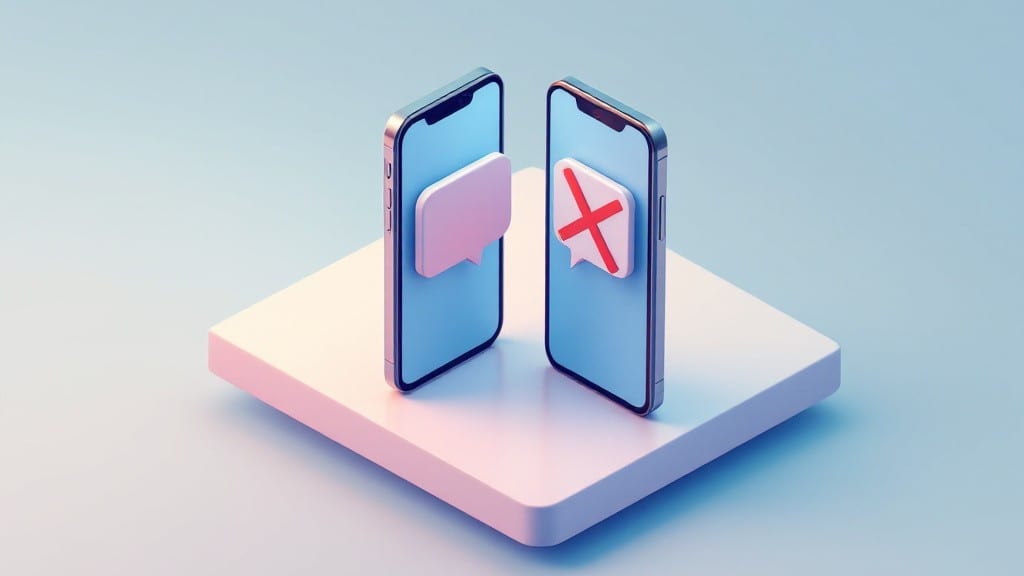
This works because blocking creates a firewall between your accounts. On iPhones, Apple's iMessage system silently drops messages before they reach your device, while Android relies on carrier-level restrictions.
Some apps like WhatsApp or Facebook Messenger may show a "message request" prompt instead of failing silently, but the core function remains the same: no direct communication. 🔥 The only exceptions are apps that don't use standard messaging protocols, like email or older SMS gateways that bypass modern app restrictions.
What's interesting is how different platforms handle visibility. While you won't see their messages, they might still see your online status or profile picture in apps like Instagram or Snapchat—though they can't interact with you.
This creates a one-way information flow that many users find frustrating when trying to maintain privacy.
💡 In This Article
- How Blocking Affects Messaging on iPhone vs. Android
- Workarounds to Send Messages After Blocking
How blocking affects messaging on iPhone vs. Android
Here's what actually happens under the hood when you block someone: Apple's iMessage system uses a unique identifier called the JID (Jabber ID) to route messages. When you block a contact, Apple's servers silently drop any messages sent to your device before they even appear in your inbox.
This happens at the server-level, meaning the sender's device never gets a delivery confirmation—it's as if the message vanished into a digital void. On Android, the process is slightly different since it relies on carrier networks for SMS and Google's servers for third-party apps.
The key difference lies in how each platform handles message delivery receipts. On iPhones, Apple's strict privacy controls prevent blocked contacts from seeing any confirmation that their message failed. Android, however, sometimes shows a generic "message request" notification in apps like WhatsApp or Messenger—though the actual content never reaches you.
This creates a frustrating paradox where blocked users might suspect you're ignoring them when your device never received their message at all. 🔥
Third-party apps add another layer of complexity. Services like WhatsApp or Signal use end-to-end encryption, but blocking still works by preventing new message requests from appearing.
What most people don't realize is that these apps may still show your profile picture or status updates in their contact list—even though they can't message you directly. This is because blocking affects communication channels differently across platforms, with social features often remaining visible while messaging stays locked down.
Android devices face additional carrier-level restrictions. When you block someone on Android, your carrier may temporarily blacklist their phone number from sending SMS messages to your device. This works because carriers maintain routing tables that can be dynamically updated when a block occurs.
The process is less immediate than Apple's server-level blocking but more comprehensive for traditional SMS. What's interesting is that some carriers might still allow calls to go through unless you specifically block calls separately—a quirk that doesn't exist on iPhones.
Consider these technical distinctions when managing your contacts:
- iMessage blocking: Messages disappear before reaching your device (server-level)
- SMS blocking: Carrier routes messages to a void (network-level)
- Third-party apps: New messages blocked but profile visibility may remain
- Delivery receipts: Never sent to blocked contacts on iOS; sometimes shown as failed on Android
The science behind this involves how each platform's architecture handles communication protocols. Apple's walled-garden approach means iMessage blocking is seamless but less transparent. Android's more open system allows for more granular control but can create inconsistencies between different messaging services.
What's consistent across both platforms is that blocking creates a one-way information barrier—you control what they see, but they can't control what you see of them. ✨
What most users overlook is how blocking affects group chats differently. On iPhones, you'll still receive messages from group chats even if one participant is blocked—unless the group is iMessage-only.
On Android, the behavior varies by app, with some services completely removing your ability to participate in chats where blocked contacts are members. This platform inconsistency often leads to confusion about why certain communications continue while others abruptly stop.