
Operating System
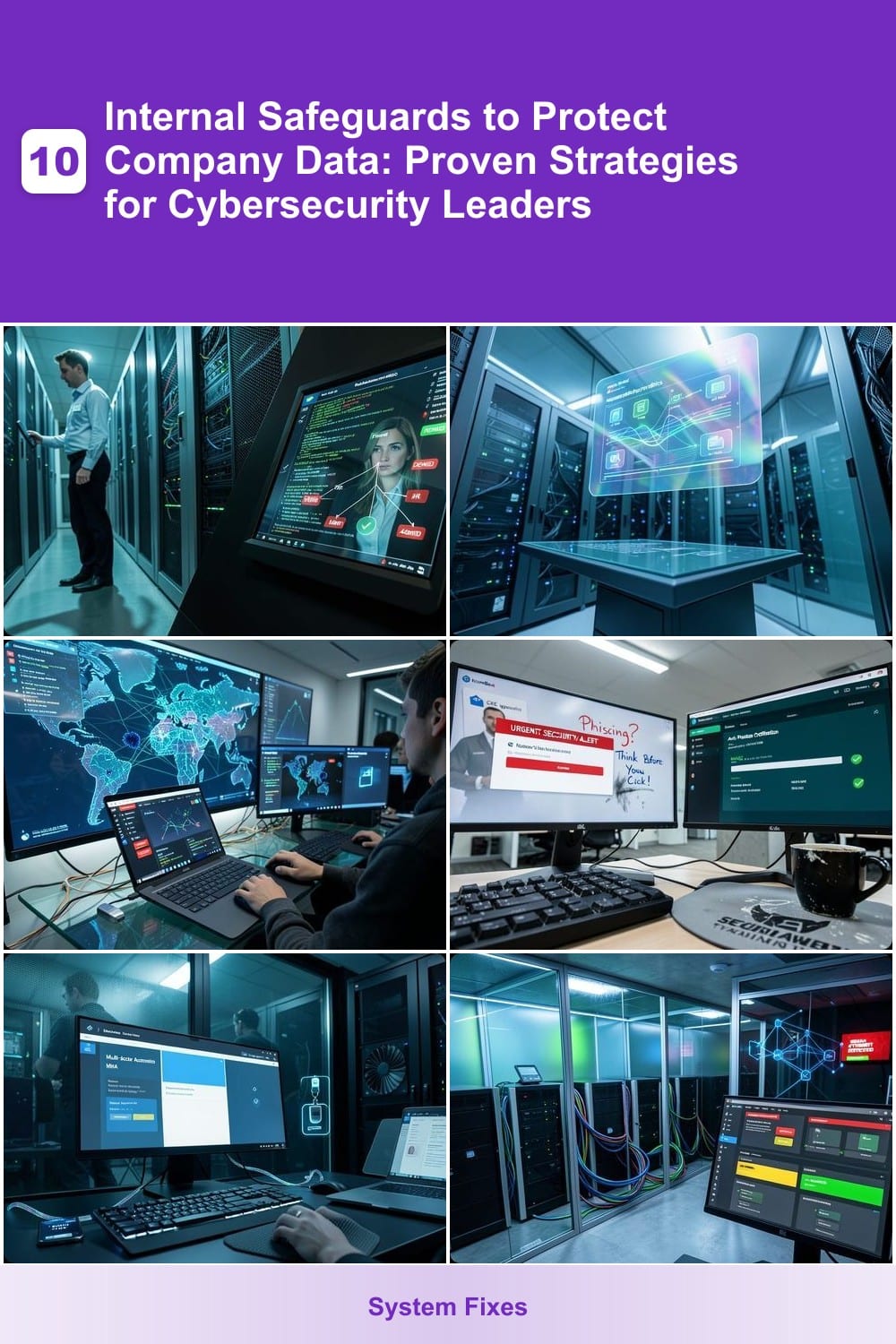
Cyber threats evolve daily, but strong internal safeguards remain your first line of defense. These 10 proven strategies empower cybersecurity leaders to build resilient data protection frameworks that adapt to modern risks while maintaining operational efficiency.
Role-Based Access Control Implementation

Imagine a scenario where an employee with accidental or malicious intent gains access to systems far beyond their job requirements. Role-Based Access Control (RBAC) eliminates this risk by assigning permissions based on job functions—not just user requests. Unlike outdated "all-or-nothing" approaches, RBAC dynamically adjusts access as roles change, ensuring finance teams can’t alter HR records and developers can’t modify payroll data.
Modern RBAC platforms like Microsoft Azure AD or Okta integrate with your existing directory services to enforce least-privilege access automatically. Need to audit compliance for HIPAA, GDPR, or SOX? RBAC generates automated reports showing who accessed what—and why—eliminating manual log reviews. The best systems even support temporary access elevations for audits or projects, with built-in expiration alerts to prevent lingering risks.
This safeguard is a must for regulated industries where insider threats account for 34% of breaches (Verizon DBIR). Start by mapping your 10 most critical roles—then let the system handle the rest. Your compliance team will thank you. ⚡
Automated Data Encryption Policies

Forget manually encrypting files—automated data encryption policies handle the heavy lifting, ensuring sensitive data stays locked down at rest and in transit without requiring IT to intervene. This isn’t just about compliance checkboxes; it’s about creating a self-healing security posture where encryption adapts to new threats in real time, not weeks later.
Modern solutions like Microsoft Purview Information Protection or Varonis Data Encryption integrate with your existing infrastructure to classify and encrypt PII, financial records, and intellectual property based on predefined rules. Need to comply with GDPR, HIPAA, or PCI-DSS? These tools generate audit trails automatically, proving encryption was applied consistently. The best platforms even offer granular access controls—so only authorized users can decrypt data, even if it’s stored in the cloud.
This safeguard is a game-changer for financial institutions, healthcare providers, and legal firms where data breaches carry million-dollar fines and reputational damage. Implementing it starts with classifying your most sensitive data—then letting the system do the rest. 🔧
Endpoint Detection and Response Systems

Remote work expanded your attack surface—but Endpoint Detection and Response (EDR) systems like CrowdStrike and SentinelOne adapt in real time. These tools monitor every device for suspicious behavior, from unusual login patterns to malware execution, without relying on outdated signature-based defenses that fail against zero-day threats.
Top solutions offer AI-driven behavioral analysis, automated containment, and detailed forensic reports to isolate threats before they spread. For example, CrowdStrike’s Falcon platform delivers sub-second detection across 100+ threat families, while SentinelOne’s Singularity combines endpoint protection with XDR (Extended Detection and Response) for cross-platform visibility. Both integrate seamlessly with existing SIEM tools for centralized threat intelligence.
Ideal for organizations with hybrid or fully remote teams, EDR systems bridge the gap left by traditional firewalls. They’re especially critical for industries like healthcare or finance, where regulatory compliance demands continuous monitoring of all endpoints. 🌟
Regular Security Awareness Training Programs
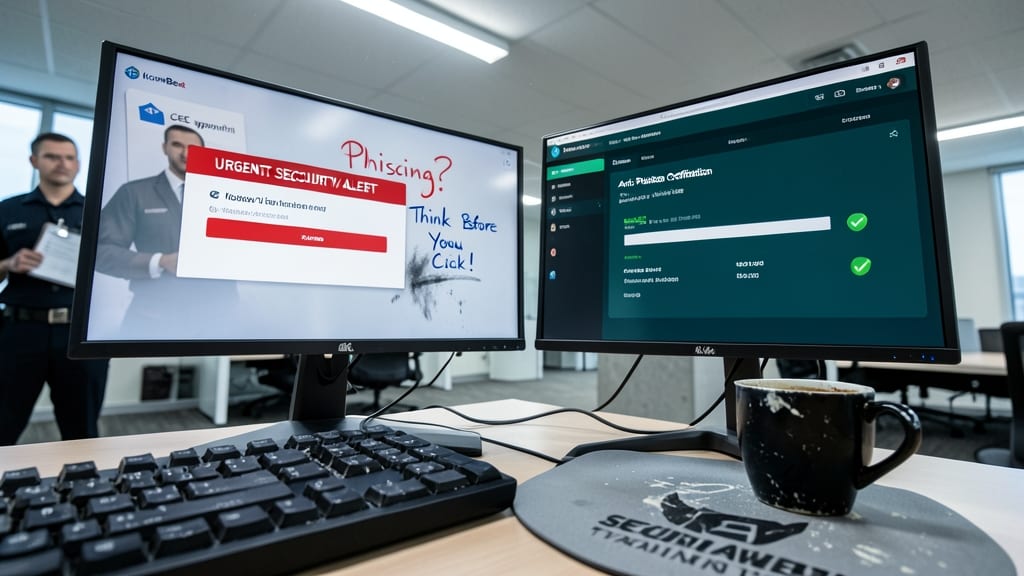
Nearly 90% of data breaches start with human error—often employees falling for phishing scams or misconfiguring systems. Regular security awareness training programs close this gap by turning your workforce into an active defense layer, not a vulnerability.
Modern platforms like KnowBe4 or Security Awareness Training by Proofpoint deliver interactive phishing simulations that mimic real-world threats, while compliance refresher courses ensure policies stay top-of-mind. For remote teams, these programs adapt to on-demand modules, and analytics track engagement to identify at-risk employees. The ROI? A 70% reduction in phishing-related incidents after just six months of consistent training.
This safeguard is non-negotiable for organizations with high turnover or distributed teams, where onboarding gaps or outdated policies create openings. Start with quarterly simulations and annual deep dives—your weakest link isn’t tech, it’s human behavior. ✨
Multi-Factor Authentication Enforcement

Passwords alone are no longer enough to stop determined attackers—especially when handling patient records or financial transactions. Multi-Factor Authentication (MFA) enforcement adds that extra verification step, ensuring only authorized users access critical systems even if credentials are compromised.
Modern MFA solutions like Duo Security or Microsoft Authenticator integrate seamlessly with existing platforms, offering push notifications, biometric scans, or hardware tokens for frictionless security. For healthcare providers, HIPAA-compliant MFA can prevent unauthorized access to patient data, while financial institutions benefit from real-time transaction approvals that thwart fraud. The best systems also support single sign-on (SSO) to simplify user experience without sacrificing security.
This safeguard is non-negotiable for industries where data breaches carry heavy regulatory fines or reputational damage. Start with admin accounts and high-risk applications—the quickest way to lock down your most vulnerable entry points. 💪
Network Segmentation Architecture

When a breach hits one department, your entire network shouldn’t become the attack surface. Network segmentation architecture creates digital moats around critical systems—like isolating payment processing from HR records—so compromised systems can’t spread lateral damage.
Modern solutions like Zero Trust Network Access (ZTNA) or VLAN segmentation let you enforce granular policies, such as restricting R&D servers from accessing customer databases. Tools like Cisco’s SD-Access or VMware NSX automate firewall rules based on user roles, not just IP ranges. This approach is especially powerful for organizations juggling HIPAA, PCI-DSS, and GDPR across different business units.
Perfect for healthcare providers with separate patient and billing systems, or financial firms handling both retail and institutional trading—where compliance requirements clash. 💻
Continuous Vulnerability Scanning Tools

If your development team moves faster than your security team can keep up, continuous vulnerability scanning tools bridge that gap by embedding security directly into your CI/CD pipeline. These tools don’t just find vulnerabilities—they prioritize them based on real-world exploit risk, so your team can fix critical issues before they become breaches.
Solutions like Snyk or Veracode integrate with GitHub, Jenkins, and AWS CodePipeline to scan dependencies, containers, and infrastructure as code in real-time. They highlight CVSS-scored vulnerabilities with clear remediation steps, and many offer automated patch suggestions for common issues. The best tools even provide shift-left security, flagging problems during development rather than as an afterthought.
This approach is perfect for DevSecOps teams where speed and security must coexist. By catching vulnerabilities early, you reduce the blast radius of potential breaches and keep compliance reports up to date without slowing down releases. 💡
Secure Document Management Systems
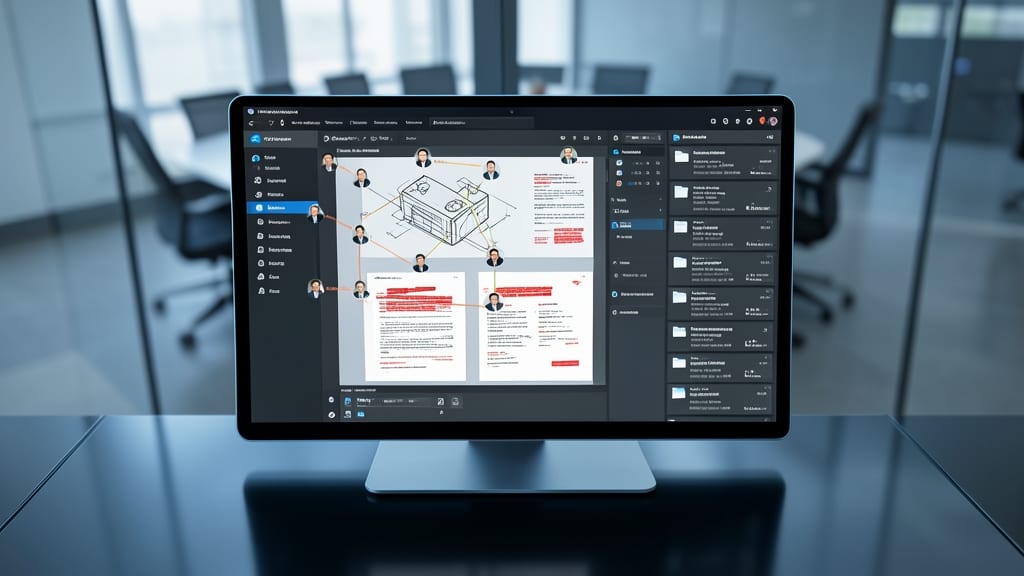
When proprietary designs or client contracts are your lifeblood, secure document management systems act as your digital vault—controlling access at the file level while tracking every edit. Unlike generic cloud storage, these platforms combine automated versioning (so you always know who changed what) with dynamic watermarking that embeds user details directly into documents.
Solutions like Box Sign with eSignature or OpenText Content Suite let you enforce role-based permissions (e.g., "view-only" for freelancers, "edit" for in-house teams) while logging all activity. The watermarking feature isn’t just about deterrence—it’s a forensic tool that proves document integrity in disputes. For legal firms, this means HIPAA/GDPR compliance without manual audits, while creative agencies protect their IP from leaks during client reviews.
This is the safeguard for organizations where data leaks cost more than hardware. 💻
Incident Response Playbooks

When a breach hits, every minute counts—and Incident Response Playbooks turn chaos into structured action. These pre-built, step-by-step guides ensure your team responds consistently, minimizing damage and compliance penalties during high-pressure security incidents.
Think of them as your cybersecurity battle manuals: tailored to your organization’s risks, with clear roles, escalation paths, and containment procedures. Tools like Splunk’s IR playbooks or IBM’s Resilient integrate with your existing security stack, automating alerts and workflows. The best playbooks include tabletop exercise templates to test responses before real threats emerge.
Perfect for regulated industries (healthcare, finance) where auditors scrutinize response times, these playbooks also help smaller teams by eliminating guesswork. With a well-documented playbook, you’ll slash recovery time from days to hours—and sleep better knowing you’re prepared. 💪
Third-Party Risk Assessment Framework

Supply chain attacks are on the rise—yet most organizations only check vendor security after signing contracts. A Third-Party Risk Assessment Framework flips this script by evaluating a vendor’s security posture before the ink dries, using automated questionnaires, penetration tests, and compliance audits to uncover hidden risks.
Look for frameworks that integrate with your GDPR/HIPAA compliance tools and include real-time monitoring of vendor breaches. Solutions like ServiceNow GRC or OneTrust Vendor Risk automate the process, scoring vendors on encryption standards, incident response plans, and third-party subcontractor oversight—so you’re never caught off guard by a weak link in your ecosystem.
This safeguard is non-negotiable for enterprises with global supply chains, but even SMBs handling customer data should adopt lightweight versions. Start with a vendor risk questionnaire before your next contract renewal. 💪